

How Parents with Diabetes Can Make Their Wellness a Family Priority
For many of us, diabetes is a family affair. Especially when a parent has diabetes, managing the disease with physical activity and healthy food choices can impact every member of the family. This World Diabetes Day, we’re thinking about this as an opportunity to explore the ways diabetes can actually help the entire family get healthy. What do you do when your kids want pizza but you know your blood sugar has been high today? Or when you need to burn some energy but you can’t get your kids to get off the couch and go to the park with you? As a parent managing diabetes, you have an opportunity to model positive choices that can...
Read More
Eating Healthy with Diabetes
You don’t have to sacrifice your target blood sugar levels to enjoy some of your favorite foods. Here’s how to eat healthy with #diabetes, whether you’re cooking at home, or eating in a restaurant. Carbohydrates and your blood sugar Carbohydrates are sugars. They break down in the body creating glucose, a main source of energy. Counting the carbs you eat at every meal and pairing them with the correct dosage of insulin can keep your blood sugar level closer to normal range.1 It also allows you to eat a wider variety of foods. In fact, your diet can accommodate any food in moderation, so you don’t have...
Read More
Choosing 1 Thing to Improve
There are probably many things that each of us would like to change about our life, but thinking about them all at once can be overwhelming. Instead, choose just 1 thing to improve for now. Changing any one of the things below could have a big impact on your life with diabetes – both your physical health, and your emotional well-being. Make testing matter For people with diabetes, testing more often is the key to staying in control of your health. Frequent testing provides the data you need to make informed decisions about your medication, diet, and exercise regimens. Your test results show you the...
Read More
Managing Diabetes Complications: High Blood Pressure
High blood pressure, or hypertension, occurs when the force of blood flow inside blood vessels is too high. The heart has to work harder to pump blood through the body, which can contribute to serious health problems. People with diabetes and high blood pressure have nearly twice the risk of heart disease as people who have only high blood pressure. Studies also show an increased risk of kidney damage, diabetic eye disease and stroke when hypertension is a factor.1 Causes of High Blood Pressure According to the Public Health Agency of Canada, about 40% of people with diabetes also have high blood...
Read More
Managing Diabetes Complications: Foot Problems
Proper foot care is an important part of a person with diabetes’ daily routine. High blood glucose levels can damage the blood vessels that carry oxygen and nutrients to the legs and feet. This can lead to nerve damage, poor circulation, infections and foot deformities. Diabetes is often associated with foot problems and amputation. Not including those caused by accidents or trauma, more than 60% of lower-limb amputations performed each year are on people with diabetes. 1 What to Look For The Canadian Diabetes Association recommends that your feet be examined at least once a year—more often if...
Read More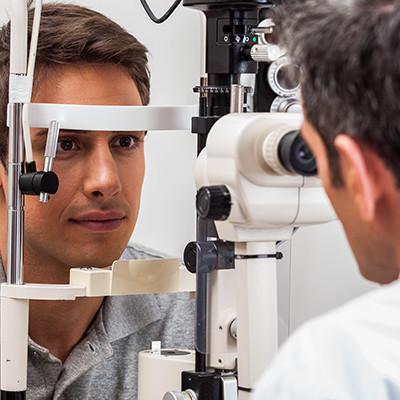
Managing Diabetes Complications: Eye Disease
People with diabetes are at higher risk for several types of eye disease, including retinopathy, cataracts and glaucoma. Any of these diseases can lead to blindness over time. Early detection is the key to avoiding or lessening the risk of these diseases. Retinopathy, the most common eye disease in people with diabetes, is caused by damage to the blood vessels of the retina that helps us to see. In some cases, these vessels may swell and leak fluid. This is called nonproliferative, or backgroundretinopathy. As these areas heal, scarring occurs and abnormal new blood vessels may grow on the retina's...
Read More
Hypoglycemia
Hypoglycemia occurs when your blood glucose drops too low. The body responds to low blood glucose with warning signs that may be different in each person. Some warning signs of low blood glucose are feeling: Weak Shaky Sweaty Irritable or confused Hungry Low blood glucose may occur if your meal or snack is delayed or missed, after vigorous physical activity, or if too much insulin is given. In a person without diabetes, the pancreas will stop producing insulin if the blood glucose level falls below normal. In a person with diabetes, the insulin they...
Read More
Managing Diabetes Complications: Dental and Gum Care
People with diabetes are more than twice as likely to have gum disease as people without diabetes. Both gum disease and gum infection are common complications of diabetes. In fact, nearly one-third of people with diabetes have severe periodontal disease.1 Regular dental checkups and good dental care at home can reduce dental problems. Types of Problems In addition to tooth decay and gum disease, you may experience these other problems that occur more often in people with diabetes: Thrush (oral candidiasis) is a fungal infection in the mouth that causes white or red spots on the...
Read More
Managing Diabetes Complications: Skin Problem and Skin Care
Ways to keep skin healthy Healthy skin isn't just about how you look, and people with diabetes shouldn’t take it for granted. When there's too much glucose in your bloodstream, your body will try to flush it away, losing moisture in the process. As a result, people with diabetes tend to have dry skin. Much of a diabetes skin care regimen, then, revolves around replenishing that moisture. High blood glucose levels can affect your skin in several ways: loss of fluids (dehydration) due to more frequent urination can make your skin dry skin may become extra dry, itchy or cracked ...
Read MorePages
Eating Healthy with Diabetes
You don’t have to sacrifice your target blood sugar levels to enjoy some of your favorite foods. Here’s how to eat healthy with #diabetes, whether you’re cooking at home, or eating in a restaurant. Carbohydrates and your blood sugar Carbohydrates are sugars. They break down in the body creating glucose, a main source of energy. Counting the carbs you eat at every meal and pairing them with the correct dosage of insulin can keep your blood sugar level closer to normal range.1 It also allows you to eat a wider variety of foods. In fact, your diet can accommodate any food in moderation, so you don’t have...
Read More Choosing 1 Thing to Improve
There are probably many things that each of us would like to change about our life, but thinking about them all at once can be overwhelming. Instead, choose just 1 thing to improve for now. Changing any one of the things below could have a big impact on your life with diabetes – both your physical health, and your emotional well-being. Make testing matter For people with diabetes, testing more often is the key to staying in control of your health. Frequent testing provides the data you need to make informed decisions about your medication, diet, and exercise regimens. Your test results show you the...
Read More Managing Diabetes Complications: High Blood Pressure
High blood pressure, or hypertension, occurs when the force of blood flow inside blood vessels is too high. The heart has to work harder to pump blood through the body, which can contribute to serious health problems. People with diabetes and high blood pressure have nearly twice the risk of heart disease as people who have only high blood pressure. Studies also show an increased risk of kidney damage, diabetic eye disease and stroke when hypertension is a factor.1 Causes of High Blood Pressure According to the Public Health Agency of Canada, about 40% of people with diabetes also have high blood...
Read More Managing Diabetes Complications: Foot Problems
Proper foot care is an important part of a person with diabetes’ daily routine. High blood glucose levels can damage the blood vessels that carry oxygen and nutrients to the legs and feet. This can lead to nerve damage, poor circulation, infections and foot deformities. Diabetes is often associated with foot problems and amputation. Not including those caused by accidents or trauma, more than 60% of lower-limb amputations performed each year are on people with diabetes. 1 What to Look For The Canadian Diabetes Association recommends that your feet be examined at least once a year—more often if...
Read More Managing Diabetes Complications: Eye Disease
People with diabetes are at higher risk for several types of eye disease, including retinopathy, cataracts and glaucoma. Any of these diseases can lead to blindness over time. Early detection is the key to avoiding or lessening the risk of these diseases. Retinopathy, the most common eye disease in people with diabetes, is caused by damage to the blood vessels of the retina that helps us to see. In some cases, these vessels may swell and leak fluid. This is called nonproliferative, or backgroundretinopathy. As these areas heal, scarring occurs and abnormal new blood vessels may grow on the retina's...
Read More Hypoglycemia
Hypoglycemia occurs when your blood glucose drops too low. The body responds to low blood glucose with warning signs that may be different in each person. Some warning signs of low blood glucose are feeling: Weak Shaky Sweaty Irritable or confused Hungry Low blood glucose may occur if your meal or snack is delayed or missed, after vigorous physical activity, or if too much insulin is given. In a person without diabetes, the pancreas will stop producing insulin if the blood glucose level falls below normal. In a person with diabetes, the insulin they...
Read More Managing Diabetes Complications: Dental and Gum Care
People with diabetes are more than twice as likely to have gum disease as people without diabetes. Both gum disease and gum infection are common complications of diabetes. In fact, nearly one-third of people with diabetes have severe periodontal disease.1 Regular dental checkups and good dental care at home can reduce dental problems. Types of Problems In addition to tooth decay and gum disease, you may experience these other problems that occur more often in people with diabetes: Thrush (oral candidiasis) is a fungal infection in the mouth that causes white or red spots on the...
Read More Managing Diabetes Complications: Skin Problem and Skin Care
Ways to keep skin healthy Healthy skin isn't just about how you look, and people with diabetes shouldn’t take it for granted. When there's too much glucose in your bloodstream, your body will try to flush it away, losing moisture in the process. As a result, people with diabetes tend to have dry skin. Much of a diabetes skin care regimen, then, revolves around replenishing that moisture. High blood glucose levels can affect your skin in several ways: loss of fluids (dehydration) due to more frequent urination can make your skin dry skin may become extra dry, itchy or cracked ...
Read More